
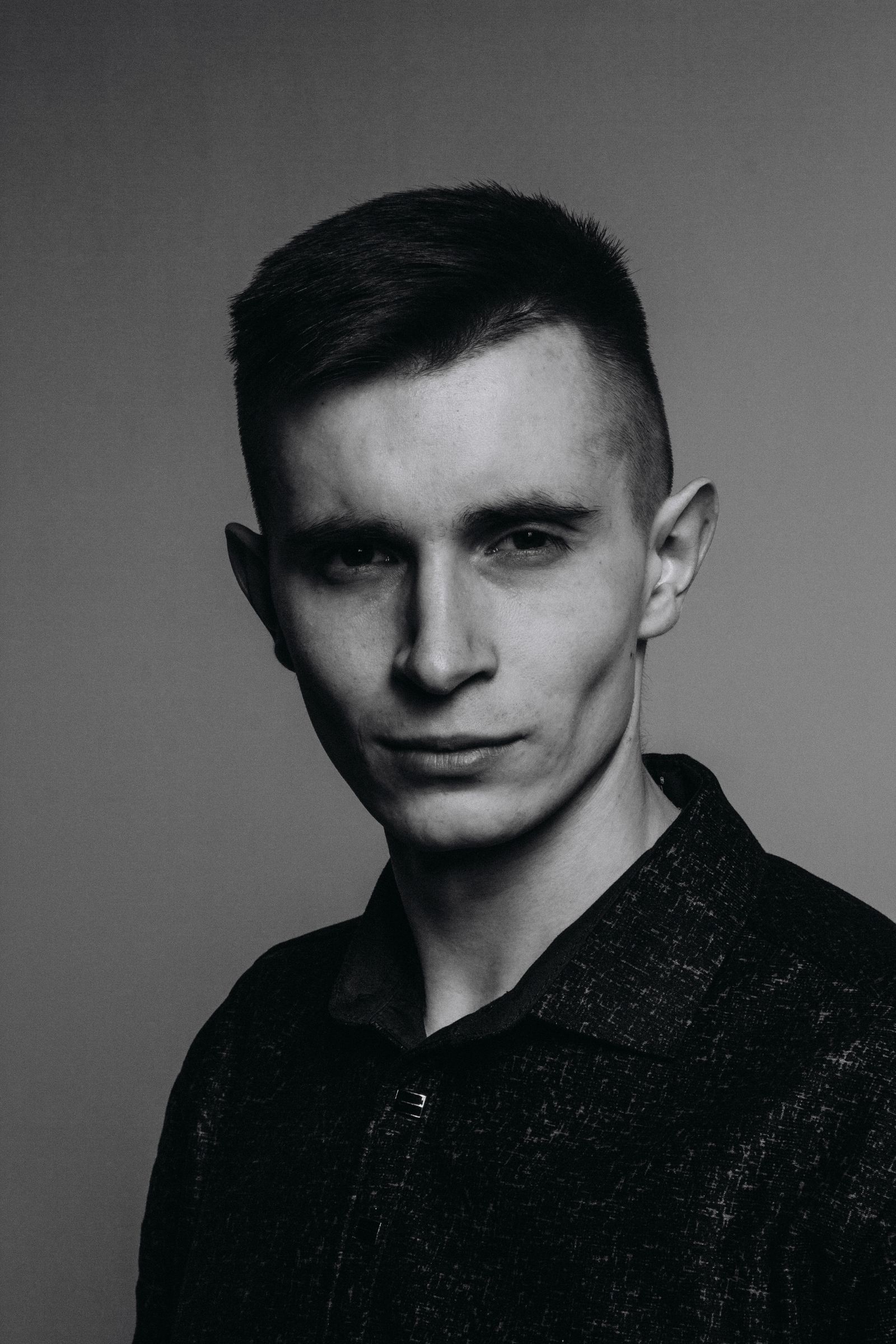
In February, Piers Morgan asked the streamer Clavicular whether he thought he looked better than the interviewer. It was an irresistible interview moment: an established broadcaster entering the younger man’s world of comparison, ranking, and appearance. [1]
In April, Clavicular walked out of a 60 Minutes Australia interview after a question about Andrew Tate. In May, The Daily Show’s Lewis Black turned looksmaxxing and the wider maxxing vocabulary into comedy. The footage offers three familiar frames: provocation, scrutiny, and ridicule. [2] [3]
The generational mismatch makes good television. An established media format asks a young internet figure to explain himself. His persona arrives with another vocabulary: aesthetic capital, status, optimisation, ascension. Each side can get a useful clip while leaving the underlying exchange unexplained.
Our reading is that the spectacle is drawing attention to a market many viewers already recognise. They are spending on presentation, producing an image, building an audience, and looking for a return. The sharper question is what that return actually consists of.
Before the camera, there were the forums
Clavicular did not invent looksmaxxing. Research by Anda Iulia Solea and Lisa Sugiura traces its movement from incel and lookism spaces into TikTok. Their source material includes a Lookism.net guide originally dated June 2015. Appearance was treated as something to classify and improve within competitive, often hostile accounts of dating and social hierarchy. [4]
The language then became reusable. Linguist Ewelina Prażmo’s 2024 analysis describes looksmaxxing as a prototype for new formations, including moneymaxxing and statusmaxxing. Her account follows “maximize” through “max” and “maxx” into a productive word ending. Dictionary.com also connects the history to gaming’s min-maxing, while describing more than one possible route for that transfer. [5] [6]
On 25 October 2026, Dictionary.com named maxxing its Word of the Year. Its announcement describes the term spreading across appearance, wellness, AI at work, and deliberately comic everyday uses. The vocabulary had escaped its original setting and become a way to describe everyday ambition. [6]
The appeal of the template is clear: name an input, identify a change, expect an outcome. Sleep, skills, money, style. The object changes; the ambition remains legible. A person becomes a project with a strategy.
Aesthetic capital has consequences
Appearance affecting opportunity is a serious proposition. In a 1993 working paper, later published in the American Economic Review, Daniel Hamermesh and Jeff Biddle examined US and Canadian surveys and found an association between interviewers’ appearance ratings and earnings after controlling for several demographic and labour-market characteristics. Those historical findings concern observed differences between people; they do not estimate the return from changing someone’s face. [7]
The distinction matters to the argument. An appearance premium, an attractive photograph, a dating preference, and a successful business are separate outcomes. The halo effect names a spillover in judgment; it is not a price list. “SMV,” the scene’s shorthand for sexual market value, expresses its ranking worldview. It cannot tell an investor what a creator will earn next year.
For Common Upside, aesthetic capital means the advantages someone may gain through appearance and presentation, and the work required to make those advantages useful. That can involve style, performance, taste, communication, and access to the right people. The market question is where presentation changes a decision: a booking, a collaboration, a purchase, a return visit.
Clavicular made the proposition visible
Clavicular’s public link hub joins streaming and social accounts to a looksmaxxing guide and a face-rating app. GQ documented his appearance on Elena Velez’s New York runway in February. Here is a persona extending across media, products, and fashion. [8] [9]
The business sequence is worth following. A recognisable image attracts attention. Content gives that attention somewhere to go. Products and appearances offer possible ways to earn from it. An awkward interview can become another distribution event, circulating the persona far beyond its original audience.
The fashionable claim is that looks are underpriced. The more useful investigation asks: underpriced by whom, in which market, and compared with what? A creator can have a memorable image and a weak offer. A smaller audience can support valuable work. Attention has to convert before a valuation story becomes an income story.
People finance starts with the terms
This is where people investing in people acquires an edge. Someone recognises a trajectory before it is obvious and contributes something that changes it. Funding a shoot, paying for editing, introducing a manager, commissioning a first project, or sharing an audience can all be early commitments to a person’s potential.
The supporter’s position matters. A customer buys work. A sponsor buys an agreed association or service. A collaborator may share revenue under a contract. A friend may want no financial return. These are different exchanges, even when everyone believes in the same person.
Creator coins make the pricing explicit. Zora describes its Creator Coins as tradable, profile-level tokens. A market around someone’s name is one form of exposure; a contractual share of their earnings would be another. Before calling a supporter an early investor, establish what they own, what they receive, and how they could exit. [10]
That precision strengthens the thesis. It gives us a way to investigate real upside rather than treating every follower, token price, or transformation photograph as evidence of it.
The agents parallel
Our forward-looking thesis is conditional: if agents make competent research, production, and administration cheaper, the ability to attract trust, hold attention, and convene people may become more valuable relative to those tasks. A creator could use the same tools as everyone else and still have a distinctive presence, a point of view, and relationships others cannot instantly reproduce.
Appearance could contribute to that difference. So could judgment, humour, reputation, and the ability to deliver. The thesis requires observation: who earns, who retains an audience, and which human contributions remain difficult to substitute? Aesthetic capital will have to earn its place in that account through outcomes.
The positive possibility is broader access to opportunity. A small team with good tools might help someone develop work, presentation, and distribution before a traditional institution takes interest. The person supplies direction and performance; other people supply belief, expertise, access, and capital.
Follow the upside
Take the word ascension seriously enough to ask for an outcome. More paid bookings? Better fees? Repeat customers? A retained audience? A sustainable business after production costs? Those are changes we can examine. A face score or a viral before-and-after image cannot substitute for them.
There is a cost side as well. The extreme end involves decisions about drugs, procedures, and deliberate injury. [4] Treating a body as an optimisation project does not make those choices equivalent to testing a new outfit. A credible account follows health and financial costs alongside attention, and asks who profits from selling the promised transformation.
The language may change again. The underlying question is worth staying with: who sees potential early, who helps develop it, and who shares in what follows? Common Upside will follow that exchange—from image to audience to opportunity, and from individual ambition to the people willing to back it.
Sources & reading
- Piers Morgan Uncensored: Clavicular interview; chapter at 08:30 February 19, 2026
- 60 Minutes Australia: Clavicular walks out after an Andrew Tate question April 2026
- The Daily Show: Gen Z Is “Maxxing” Everything & Lewis Black Is Maxxed Out May 2026
- Solea and Sugiura: Digital Subcultural Diffusion Theory, Crime, Media, Culture November 16, 2025
- Ewelina Prażmo: Affixmaxxing, Topics in Linguistics June 24, 2024
- Dictionary.com: 2026 Word of the Year October 25, 2026
- Hamermesh and Biddle: Beauty and the Labor Market, NBER Working Paper 4518 November 1993; journal publication December 1994
- Clavicular: Public creator links Accessed November 14, 2026
- GQ: Inside Clavicular’s Thirsty Tour of New York City February 19, 2026
- Zora: Understanding Creator Coins Updated August 12, 2026
Analysis of the linked sources. Research and drafting assisted by AI; source-checked and edited for this edition. Our approach.

